Building design is more than just creating a structure — it is the art of blending functionality, aesthetics, and purpose into a space that enhances everyday living. This is where Building Design Art becomes essential, as it focuses on creating spaces that are both visually appealing and highly practical. For homeowners in San Diego, understanding the principles of building design can make a significant difference in how comfortable, efficient, and visually appealing a home feels. Incorporating structural design creativity allows homes to stand out while ensuring strength, balance, and long-term performance. From coastal influences to modern sustainability trends, building design art plays a crucial role in shaping homes that reflect both personal style and the surrounding environment.
What Is Building Design Art?
Building design art refers to the creative and technical process of planning and designing structures that are both functional and visually engaging. It involves careful consideration of layout, materials, lighting, proportions, and how spaces interact with each other. Unlike simple construction planning, design art focuses on creating harmony between form and function while ensuring the building meets practical needs.
In residential projects, this means designing spaces that flow naturally, maximize usable areas, and create a sense of comfort. Good design art transforms a house from a basic structure into a personalized living environment that feels cohesive and thoughtfully planned.
Why Building Design Matters for Homeowners
For homeowners, building design directly impacts how a home looks, feels, and performs over time. A well-designed home improves daily living by enhancing natural light, airflow, and space utilization. It also contributes to better energy efficiency, which can reduce utility costs and environmental impact.
In a city like San Diego, where indoor-outdoor living is highly valued, design plays a major role in connecting interior spaces with outdoor areas. Thoughtful design can create seamless transitions between living rooms, patios, and gardens, allowing homeowners to fully enjoy the region’s mild climate.
Key Elements of Effective Building Design
Successful building design combines several important elements and professional design services that work together to create a balanced and functional space. Layout is one of the most critical aspects, as it determines how people move through and use the home. A well-planned layout ensures each room serves a clear purpose while maintaining a natural flow between spaces.
Lighting is another essential component often enhanced through thoughtful planning and expert design services. Incorporating natural light not only enhances aesthetics but also improves mood and reduces reliance on artificial lighting. Material selection also plays a significant role in both appearance and durability, helping create a cohesive look while ensuring long-term performance.
Proportion and scale are equally important, and professional building design services help ensure these elements are carefully balanced to influence how spacious and comfortable a home feels. Properly balanced dimensions help create harmony and prevent spaces from feeling cramped or overwhelming.
The Role of Professional Designers and Architects
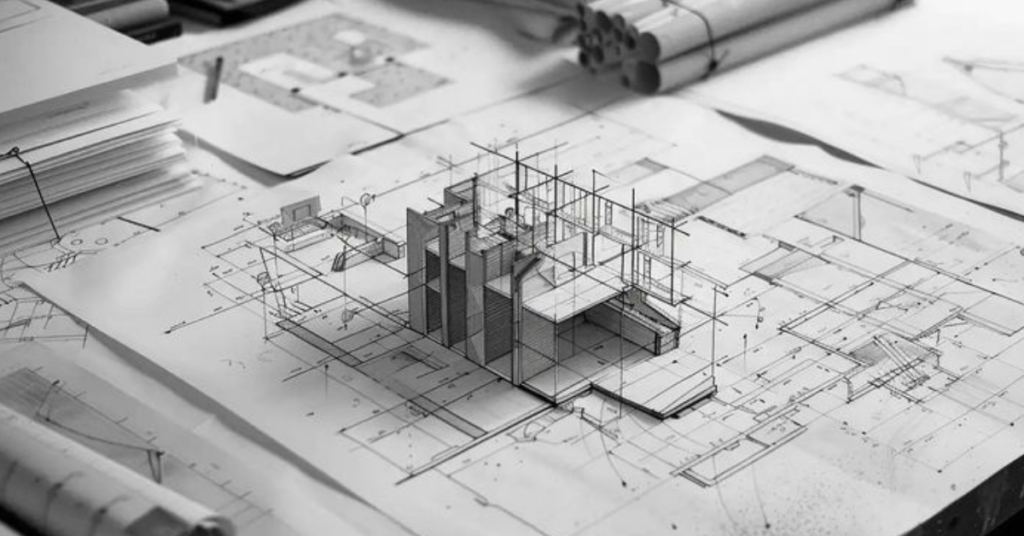
While some homeowners may have a clear vision of what they want, translating ideas into practical designs often requires professional expertise. Architects and building designers understand how to balance creativity with structural requirements, local building codes, and site conditions.
Working with an experienced firm such as Donald Jewell Architect can help homeowners bring their ideas to life while ensuring the design is functional, compliant, and tailored to their lifestyle. Professionals also help avoid costly mistakes by planning details carefully before construction begins.
Incorporating Local Style and Environment
San Diego’s coastal setting, diverse neighborhoods, and relaxed lifestyle heavily influence local architectural styles. Many homes incorporate large windows, open floor plans, and outdoor living spaces to take advantage of natural light and ocean breezes.
Designing with the local environment in mind also means considering climate factors such as sun exposure and ventilation. Using materials suited to the coastal climate can improve durability and reduce maintenance needs over time.
Sustainability in Modern Building Design
Sustainability has become a major focus in modern building design, and many homeowners are prioritizing eco-friendly features when planning their homes. Energy-efficient windows, proper insulation, and solar integration are common elements that improve performance while reducing environmental impact.
Water-efficient landscaping and smart home technologies are also becoming popular choices. These features not only support sustainability but also add convenience and long-term cost savings for homeowners.
Common Design Mistakes to Avoid
Even with the best intentions, some design decisions can lead to challenges if not carefully considered. Poor space planning can result in awkward layouts that limit functionality, while insufficient storage can create clutter and reduce comfort. Ignoring natural light or ventilation can also affect how pleasant a home feels throughout the day.
Another common mistake is focusing too much on trends rather than long-term usability. Timeless design elements tend to age better and maintain value over time, making them a smarter investment for homeowners.
How Building Design Adds Property Value
Good design is not only about aesthetics — it also has a direct impact on property value. Homes with thoughtful layouts, quality materials, and energy-efficient features are often more attractive to buyers and can command higher resale prices.
Well-designed homes also tend to require fewer renovations in the future, as their layouts remain functional and adaptable to changing needs. This makes building design a worthwhile investment that benefits homeowners both immediately and in the long run.
Tips for Planning Your Building Design Project
Before starting a building design project, homeowners should clearly define their goals, lifestyle needs, and budget. Gathering inspiration from magazines, online platforms, and local neighborhoods can help clarify design preferences. It is also helpful to prioritize features that will have the greatest impact on comfort and functionality.
Working with experienced professionals early in the process ensures that ideas are realistic and aligned with local regulations. Open communication and careful planning can help keep the project on schedule and within budget.
Conclusion
Building design is both an art and a science, shaping how a home looks, feels, and functions for years to come. By understanding the principles of layout, lighting, materials, and sustainability, homeowners can create spaces that truly support their lifestyle while enhancing comfort and efficiency. For homeowners in San Diego, thoughtful design is especially important due to the region’s climate, architectural diversity, and building requirements.
Working with experienced professionals like Donald Jewell Architect can help turn ideas into practical, well-planned designs that align with local codes and personal goals. With the right guidance and a clear vision, you can create a home that balances beauty, functionality, and long-term value while reflecting the unique character of San Diego living.
FAQs
What is building design in residential construction?
Building design is the process of planning and creating a home’s layout, structure, and visual appearance to ensure it is functional, comfortable, and aesthetically pleasing.
Why is building design important for homeowners?
Good building design improves space utilization, natural lighting, energy efficiency, and overall comfort while increasing property value over time.
Should I hire a professional for building design?
Hiring an architect or professional designer helps ensure your project is well-planned, code-compliant, and tailored to your lifestyle and site conditions.
How long does the building design process take?
The timeline varies depending on project complexity, but most residential design projects take several weeks to a few months to complete.
What factors influence building design costs?
Costs depend on project size, level of customization, materials, site conditions, and the scope of professional services required.
Can good building design increase home value?
Yes, a well-designed home with efficient layouts and quality materials is more attractive to buyers and often has higher resale value.